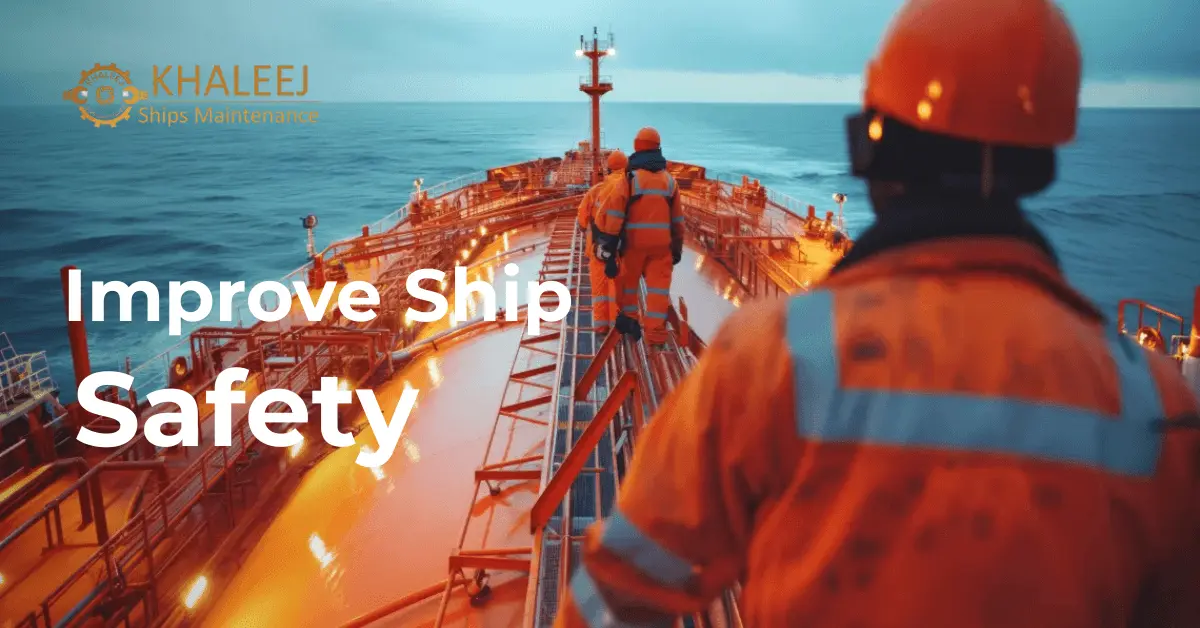
The global shipping industry moves over 80% of the world’s trade, connecting continents and driving economies. But behind this massive operation lies a constant challenge: keeping ships, crews, and cargo safe in unpredictable conditions. Sea accidents can result in fatalities, environmental disasters, and significant financial losses.
Improving ship safety standards isn’t just a regulatory obligation; it’s a moral, operational, and economic necessity. A strong safety system ensures smooth voyages, protects valuable assets, and builds the reputation of responsible shipping companies. Let’s explore how to improve ship safety standards to make it a working part of everyday maritime life.
11 Most Important Tips on How to Improve Ship Safety Standards
1. Understanding Ship Safety Standards
Ship safety standards refer to the rules, systems, and practices established to protect human life, vessels, and the marine environment. These standards are governed by global organizations such as:
- IMO (International Maritime Organization) – sets the core framework for maritime safety.
- SOLAS (Safety of Life at Sea Convention) – outlines mandatory safety equipment, construction, and operation requirements.
- MARPOL (Marine Pollution Convention) – controls pollution from ships.
- The International Safety Management Code (ISM Code) ensures the safe management and operation of ships.
As a first step toward improving standards, understanding them is crucial because compliance alone doesn’t suffice. True safety comes when every individual on board lives by these principles, not just follows them.
2. Building a Strong Safety Culture Onboard
The foundation of every safe ship is a strong safety culture. This culture doesn’t rely on checklists; it depends on attitude and awareness. Leaders, captains, and officers must set an example by prioritizing safety above deadlines or cost pressures. When crew members see their leaders practicing what they preach, safety becomes a shared value instead of a forced rule.
Encouraging open communication, rewarding safe behavior, and conducting honest reviews after every drill or incident can transform a routine crew into a proactive safety team.
3. Ensuring Crew Safety and Health
No ship can operate safely without a healthy, alert crew. Fatigue, illness, or stress can cause mistakes that lead to accidents. To improve safety standards:
- Regular health checks should be part of routine inspections.
- Fatigue management through proper rest hours and rotation schedules prevents human error.
- Protective gear (PPE) such as helmets, gloves, safety harnesses, and life jackets must always be maintained and worn correctly.
- Mental well-being should be taken seriously; isolation and long trips can impact morale and focus.
Having a well-trained crew and being physically and mentally prepared for sea life’s demands is a critical part of keeping the boat safe.
4. Regulatory Compliance and Documentation
Every improvement in ship safety starts with strict regulatory compliance. Ships must follow IMO conventions and the flag state’s regulations without exception. However, compliance isn’t just about passing inspections. It’s about systematic documentation, keeping accurate records of:
- Risk assessments
- Audits and inspections
- Safety drills and incident reports
- Maintenance schedules
These documents don’t just satisfy authorities; they help identify patterns, weaknesses, and opportunities for better safety management.
5. Preserves Cargo Integrity:
When ships operate with worn-out machinery or faulty cargo-handling systems, the goods they carry are at risk. Whether it’s refrigeration systems for perishables or ballast water pumps for stability, every component must function perfectly. Proper maintenance guarantees that cargo reaches its destination in the same condition it was loaded. For companies dealing with sensitive materials, like chemicals, electronics, or food, maintenance is not only about performance but also about protecting client trust and preventing financial loss.
6. Training, Drills, and Continuous Improvement
Even the best safety system fails if the crew isn’t trained to apply it. Training should not stop after certification; it should evolve continuously.
Regular safety drills for fire, man overboard, and evacuation ensure that everyone knows their duties in an emergency. Muscle memory and the ability to react calmly and correctly under pressure are more important than memorization
7. Fire Safety and Emergency Preparedness
At sea, fire remains one of the biggest threats. A fire on board can spread quickly, with limited escape routes and emergency resources.
To prevent and handle such incidents:
- Keep evacuation routes clear and conduct emergency musters frequently.
- Identify common causes, electrical faults, fuel leaks, hot work, and smoking in restricted areas.
- Keep your fire detection and suppression systems up-to-date by performing regular tests.
- Provide proper training in firefighting techniques and the use of extinguishers.
8. Navigation and Watchkeeping Safety
Navigation is at the heart of maritime operations. A small error on the bridge can lead to collisions, groundings, or loss of cargo.
To maintain high safety standards:
- Officers must stay alert during watchkeeping, avoiding distractions or fatigue.
- Electronic navigation aids like radar, AIS, and GPS should complement, not replace, human judgment.
Clear bridge communication protocols reduce misunderstandings.
Every voyage is safer when navigation and watchkeeping are treated as teamwork, not routine duty.
9. Safe Handling of Hazardous Materials
Many ships transport hazardous cargo such as chemicals, fuels, or explosives. Mishandling these materials can endanger lives and the environment.
To improve safety in this area:
- Identify and classify all hazardous materials on board.
- Follow proper labeling and segregation procedures.
- Ensure all crew involved are trained and certified for handling dangerous goods.
- Keep emergency response kits and protective gear ready at all times.
Safety begins with awareness, knowing what materials are on board and how to manage them responsibly.
10. Environmental Protection and Pollution Control
Ship safety isn’t limited to human life; it includes the environment. Spills, waste discharge, and air pollution harm marine ecosystems and can lead to heavy fines.
To strengthen safety standards:
- Follow MARPOL regulations for waste, oil, and sewage disposal.
Maintain fuel efficiency and emission control systems. - Train crew to respond quickly to oil spills or leakages.
- Encourage recycling and waste segregation on board.
Protecting the sea is part of protecting the future of the shipping industry itself.
11. Technology and Innovation in Ship Safety
Technology is transforming maritime safety. A modern ship predicts and prevents risks by analyzing data in real-time and using sensors and automation.
For example:
- Fleet management software monitors equipment health and compliance.
- IoT sensors detect temperature, pressure, and smoke changes early.
- AI-based systems help forecast weather and route planning for safer navigation.
The use of technology should never replace the skills of human crew members. Instead, it should enable crews to make faster, more informed decisions in areas of safety.
Conclusion
Improving ship safety standards isn’t about ticking boxes; it’s about building a culture that values life, responsibility, and sustainability. From compliance and training to technology and teamwork, every aspect contributes to safer seas. When shipowners, crews, and authorities share a unified goal, protecting people and the environment, maritime safety becomes not just a rule, but a habit.
Every improvement, no matter how small, strengthens the industry and ensures that ships sail with confidence, integrity, and care for the world they traverse.